
Decommissions, teardowns & moves
Controlled teardown. Organized recovery. Useful handoff.
Warehouse transitions create risk when dismantled material, equipment, people, and outbound loads compete for the same space. The sequence matters.
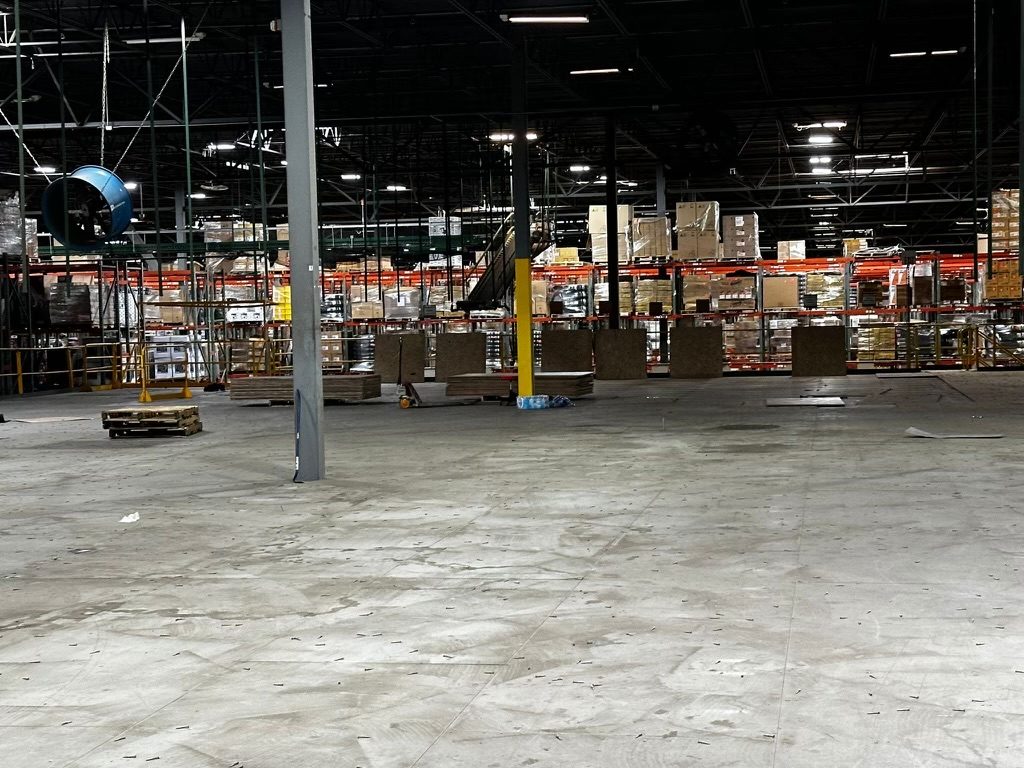
Field brief
Make the assignment executable before mobilization.
- Start with
- Systems, disposition rules, final-site condition
- Plan around
- Sequence, work zones, utilities, staging, outbound loads
- Close against
- Material disposition, cleanup, punch, turnover
Plan the flow
Define work zones, access, dismantling sequence, material classifications, staging areas, lift and truck interfaces, disposal responsibility, and the expected condition of the site at turnover.
Dismantle with control
WRI's written procedure describes supported, top-down dismantling, controlled access, equipment checks, fall protection where required, housekeeping, and clear communication.
Sort for the next use
Components can be organized around the agreed disposition plan: relocation, storage, recovery, rework, recycling, or disposal.
- Component sorting and staging
- Truck loading or unloading
- Damage and exception visibility
Hand back the site
Complete the agreed cleanup and hazard review, address defined punch items, and confirm what remains onsite, what moved, and what requires a follow-up decision.
WRI field archive
See the interfaces before the first component moves.
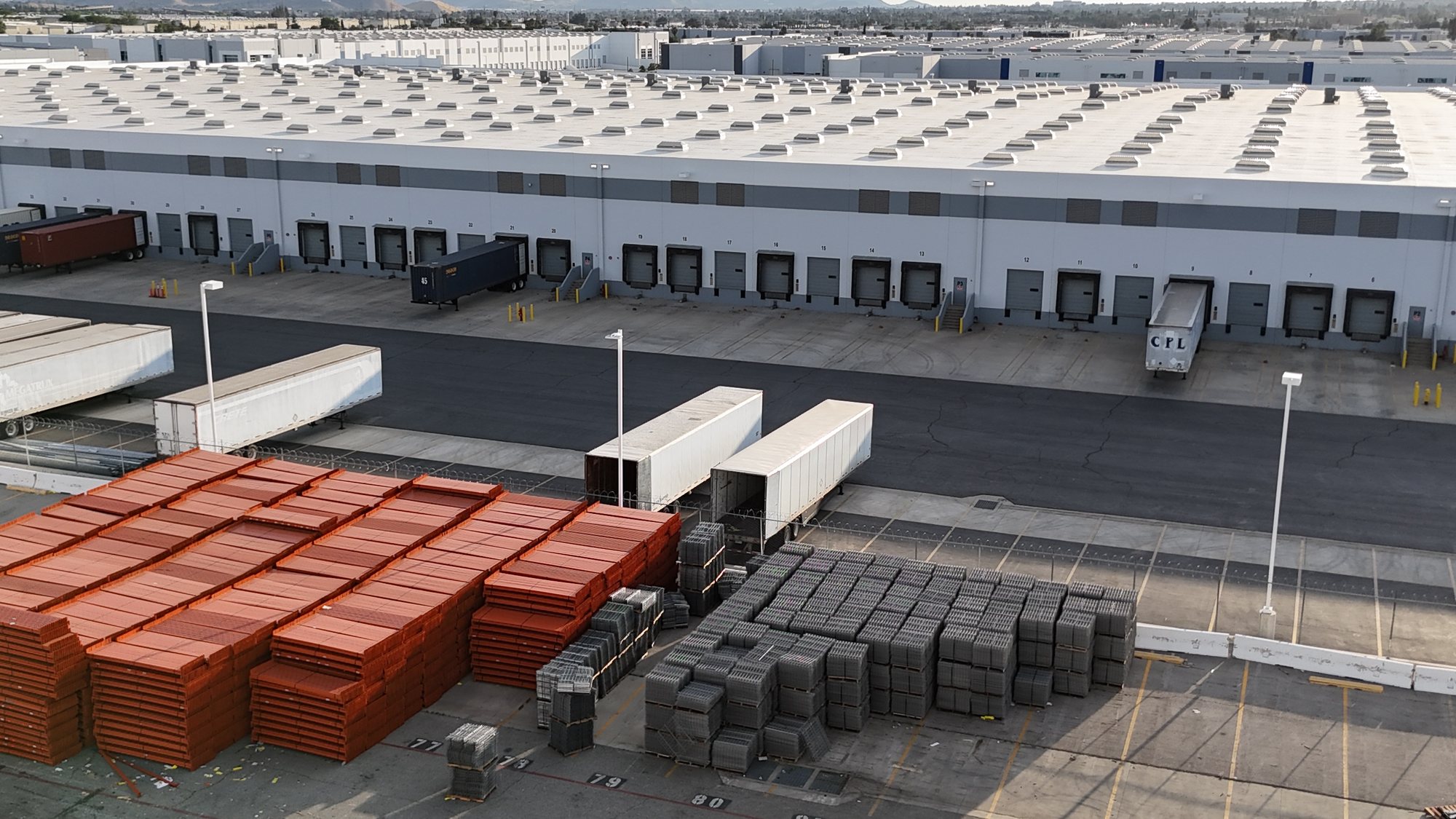
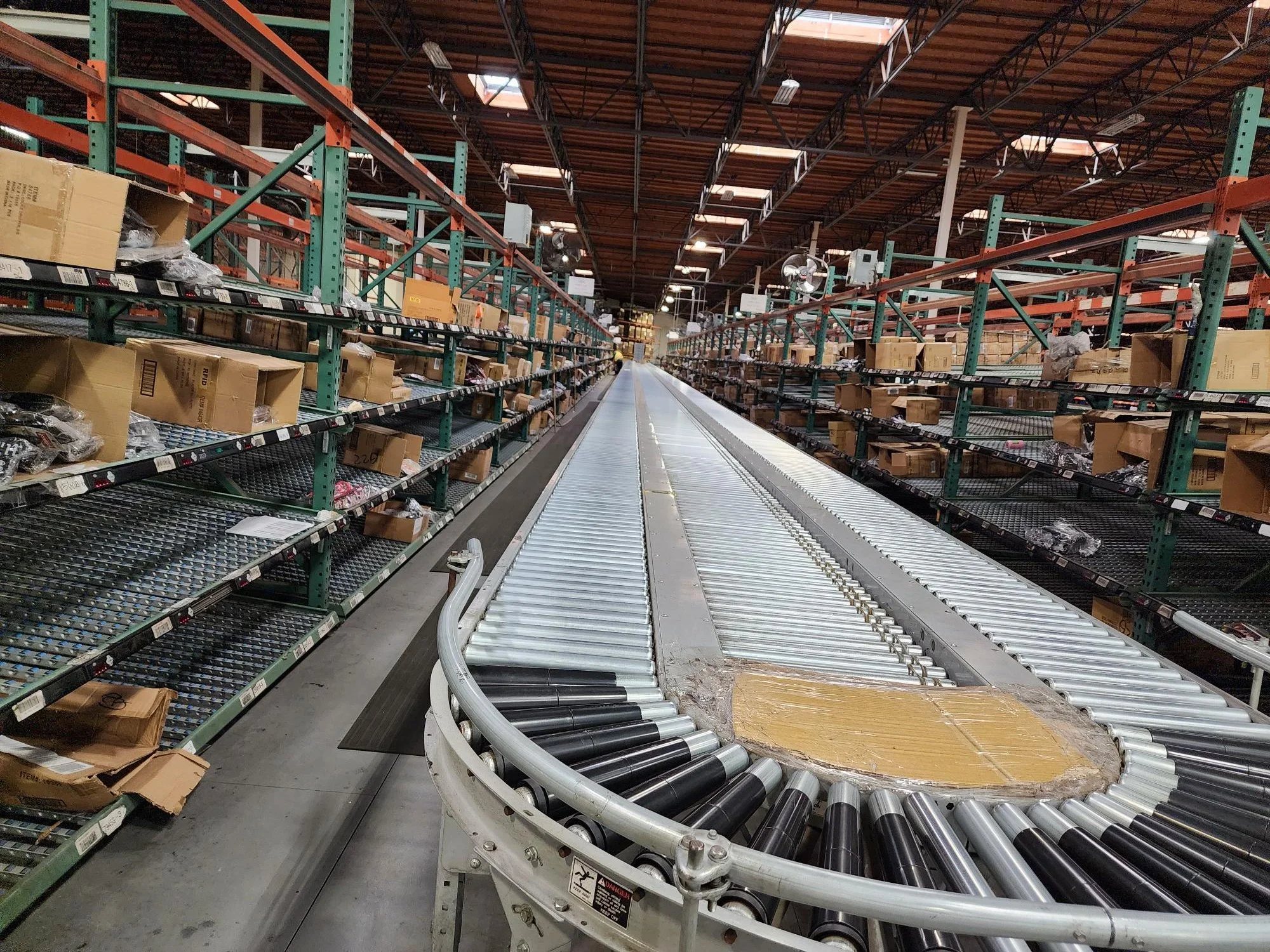
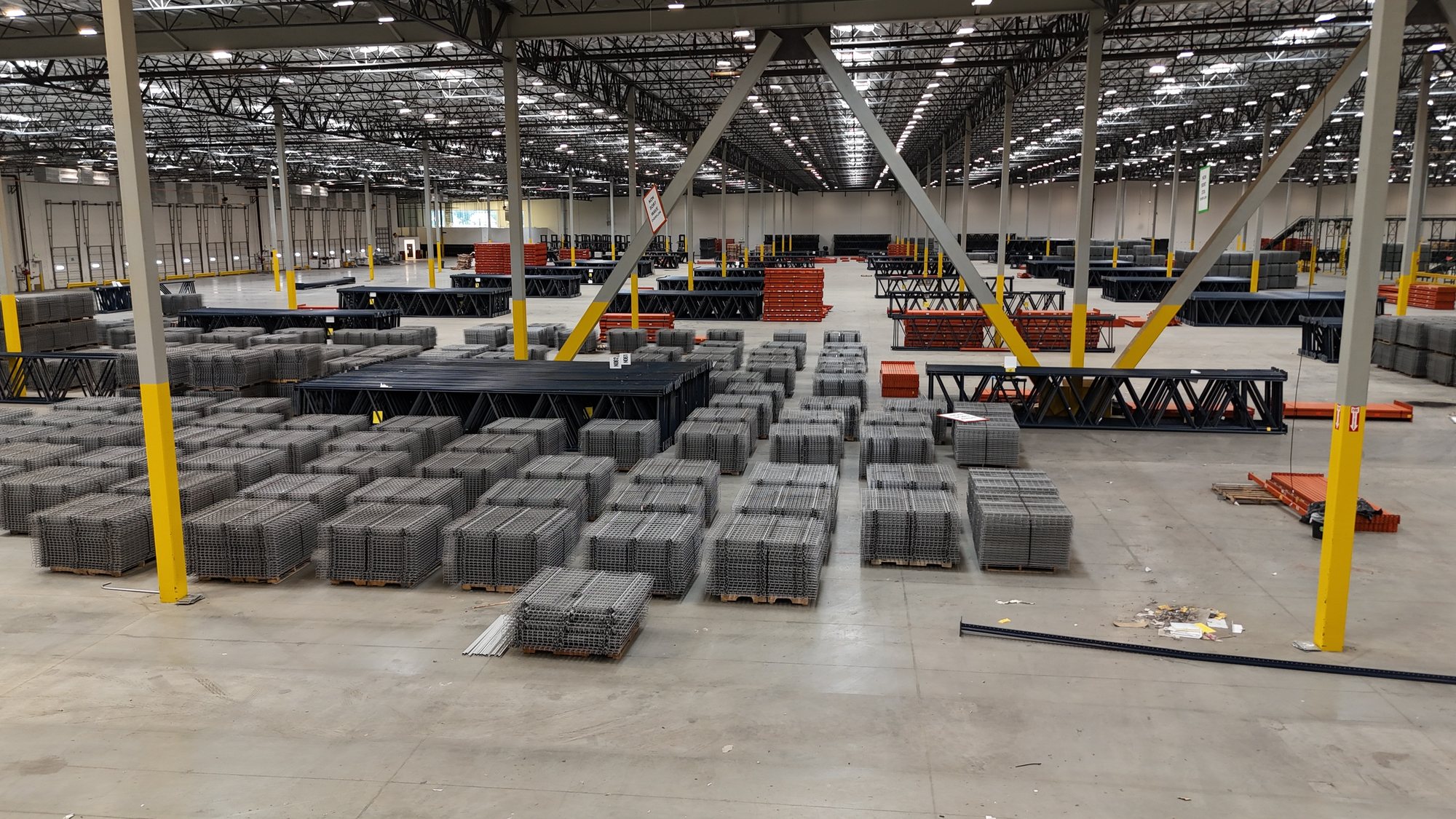
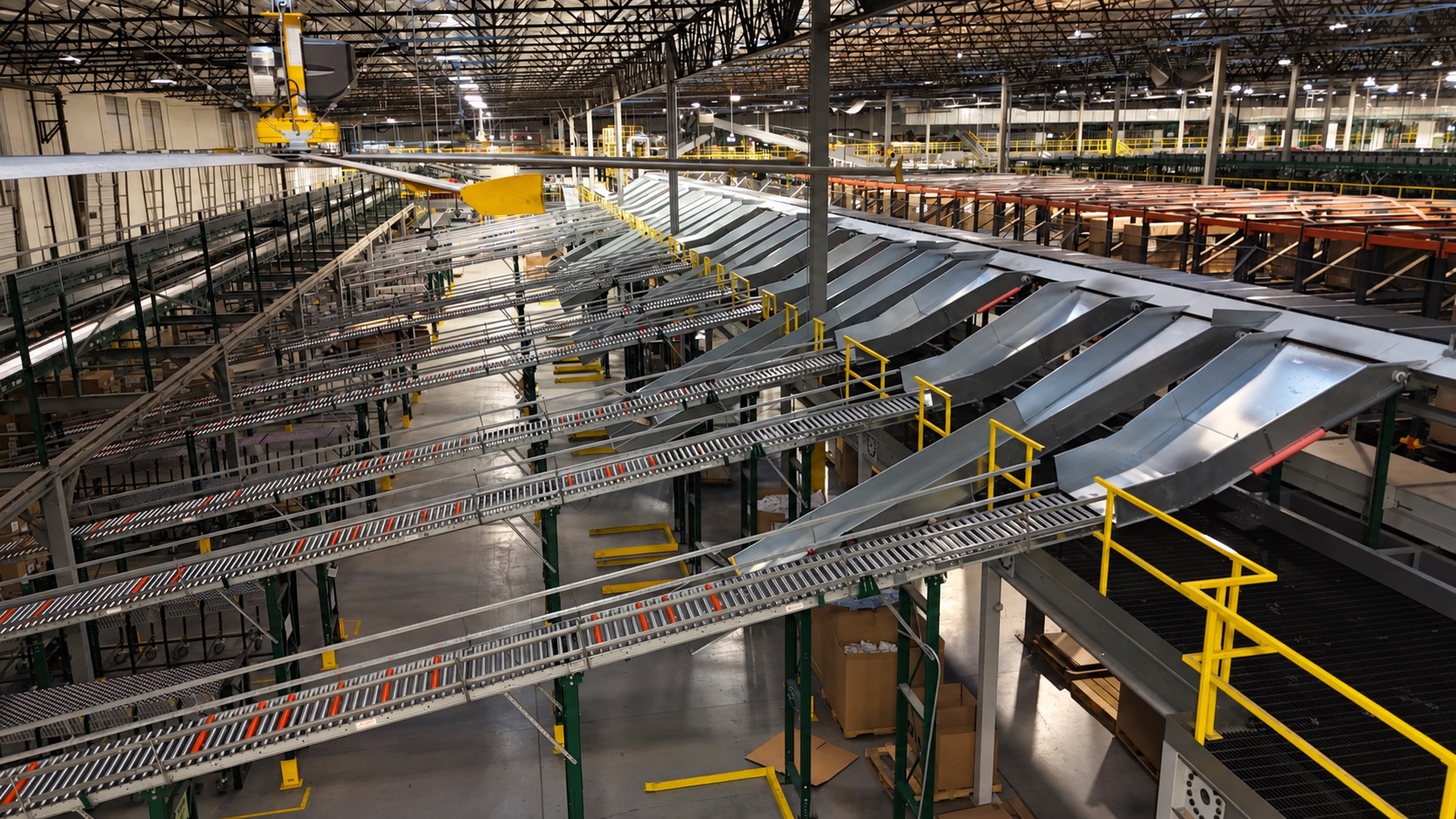
Teardown and transition work can touch rack, mezzanine, conveyor, access lanes, staging zones, outbound loads, and the facility itself. These real field views make that complexity visible.
Related field record
Removal work is a material-flow problem.
The San Bernardino record shows the density of rack, mezzanine, conveyor, sorter, and work-area interfaces that must be sequenced through a controlled equipment-removal plan.
View the San Bernardino recordStart with a useful brief
Have a project to define?
Share the location, scope, quantities, target dates, available drawings, and operating constraints.
Open project intake